
Key takeaways
- Understand visitor flow and dwell time to identify bottlenecks and underused areas.
- Use live data to make smarter staffing and operational decisions throughout the day.
- Accurately measure the ROI of events and new exhibits by analysing actual visitor behaviour.
The Blind Spots in Your Daily Operation
As a zoo operator, you know your site better than anyone. You understand the paths visitors take, the popular habitats, and when the café gets busy. This operational intuition is important, but it has its limits. Gate numbers tell you how many people arrived. Till receipts show what they bought. What happens in between is often a black box.
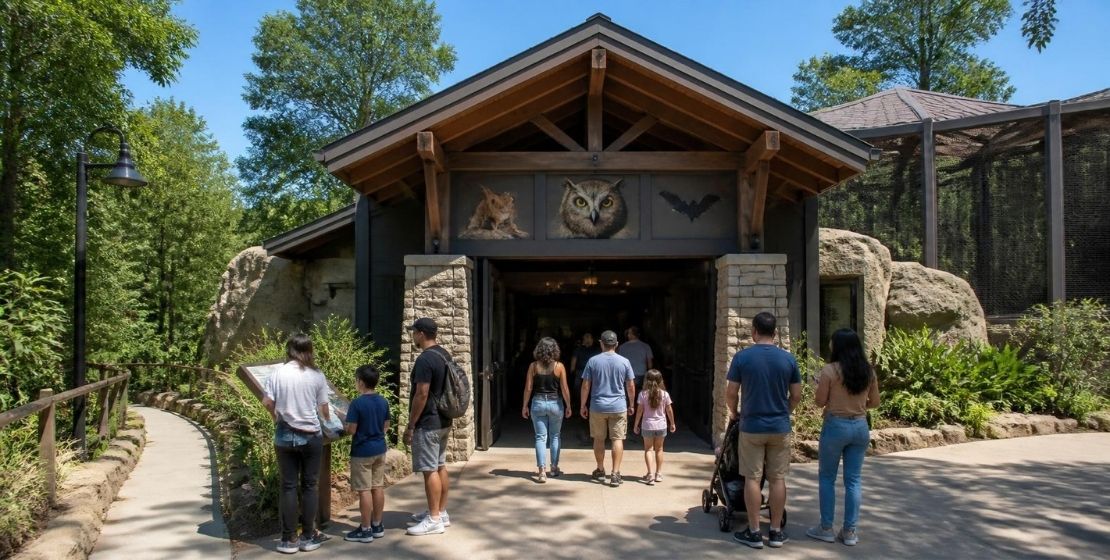
Suppose you invest heavily in a new nocturnal house. The feedback is great, but its effect on the visitor journey across the rest of the zoo remains unclear. People might now miss the reptile house because of their new route. They could be staying longer overall, or just spending their time differently. Without detailed visitor data, you make critical decisions based on observation and guesswork. These are educated guesses, certainly, but they do not provide the full picture.
From Headcounts to Heatmaps: Understanding Real Behaviour
The next step in understanding your operation is moving from simple counts to a dynamic map of visitor activity. This provides a data-led view of your zoo through your visitors' eyes. You'll see where the 5,000 people who visited on Saturday were at 11:30 am, 1:00 pm, and 3:45 pm.
Seeing Flow and Dwell in Action
A guest experience platform provides this intelligence. It generates heatmaps showing popular areas with high dwell times and those being passed by. The data reveals the common routes people take and, equally, the routes they ignore.
For example, you might see a major bottleneck forming around the penguin enclosure every day after the main talk. Visitors crowd the area, the path becomes blocked, and the guest experience suffers. People get frustrated. At the same time, your data might show that the new Madagascan exhibit has a surprisingly low dwell time. People are walking through but not stopping. This data highlights a clear opportunity for improvement.
Deploying Your Team with Precision
This detailed understanding of visitor flow has a direct impact on your most valuable resource: your staff. Traditional staffing rotas are based on historic trends and expected peak times. They are often static. Live data allows for a more dynamic and efficient approach to deploying your team.
Smarter Staffing
Consider the bottleneck at the penguin pool. Knowing it builds after the talk, you can proactively station a staff member there to help manage the crowd and guide people towards other points of interest. Seeing the low dwell time at the Madagascan exhibit, you could schedule a pop-up keeper talk in that zone to encourage people to stay longer. You can put your people where they have the biggest positive impact on the guest experience, right when it's needed.
- Position retail and admissions staff to manage queues before they become frustratingly long.
- Direct cleaning and waste management teams to high-traffic zones proactively.
- Allow keepers to engage with the public in areas that are currently underused.
- Guide security patrols to where large crowds are gathering.
What Really Happens on a Special Event Day?
Zoos rely on a calendar of special events, from seasonal holiday trails to character appearance days. Measuring an event's success is often limited to the uplift in ticket sales. If more people came, the event is deemed a success. But that single metric hides a more complex story.
A true measure of an event's success requires behavioural data. This shows where visitors actually went. For a 'Superheroes Assemble' event, you can see if families only visited the event zone before leaving, or if the event successfully dispersed them across the site. This can increase their dwell time and expose them to your core conservation messages. You can also track whether they spent more on food and drink, and at which kiosks.
This analysis allows you to tweak future events. The superhero trail could be extended to guide visitors to a quiet retail outlet. The character meet-and-greet could be relocated to a less congested area to improve flow. In this way, you can strategically design events for maximum impact on your operational goals.
Reshaping the Guest Experience in Real Time
Visitor intelligence is a tool for real-time engagement, not only post-visit analysis. It allows you to communicate with guests and influence their behaviour while they are on site, helping to solve operational problems as they happen.
Proximity Messaging
The reptile house is quiet, while the primate house is overwhelmed. Using location-aware push messaging, you can send a targeted notification to visitors in the congested area. For example: 'Chameleon feeding in the Reptile House in 10 minutes. Head over now to get a great view!'
This simple, helpful message achieves multiple things at once. It alleviates overcrowding, improves the experience for those who move, and drives traffic to an underperforming area. You can apply the same logic to commerce. An alert for a 10% discount at a quiet ice cream kiosk sent to people nearby can smooth out demand and increase sales. Platforms like n-gage.io are designed to deliver this kind of responsive guest communication, even linking offers to digital memberships to reward loyal visitors.
Your First Steps into Visitor Intelligence
Adopting a data-led approach doesn't require you to change everything overnight. The best way to start is to be focused and methodical. Taking small, deliberate steps will demonstrate value quickly and build support within your organisation for a new way of working.
- Audit your data gaps. List what you currently know about your visitors' on-site behaviour, and then list what you wish you knew. Be honest about the blind spots.
- Identify your biggest headache, whether it is the lunchtime rush at the main restaurant, a costly but empty exhibit, or a constantly jammed path. Pick one specific, recurring operational problem.
- Formulate a clear question. Turn that problem into a question that data could answer. For example: 'How can we shift 20% of the lunchtime F&B demand from the main café to our other three kiosks between 12 pm and 2 pm?'.
- Explore the tools. Look at how modern guest experience technology can provide the data needed to answer your specific question and help you test solutions.
Want this applied to your attraction?
We are happy to talk through your own plans, even at an early stage.
More for zoos
How to increase zoo secondary spend and bring families back
A practitioner's guide for UK zoo operators on using visitor data and digital tools to increase secondary spend, build loyalty and secure repeat visits.
Read articleZoo visitor experience: fixing the problems guests meet on site
Discover how digital tools can solve common on-site zoo challenges, from improving wayfinding and managing live schedules to boosting secondary spend and enhancing the guest experience.
Read article